When Foo Fighters released The Colour and the Shape in 1997, "Everlong" emerged as the song that would quietly - then insistently - define the band's emotional reach. Written by Dave Grohl, the track stood out amid a record full of restless guitars and taut arrangements, offering a strange mix of bruised vulnerability and overflowing exhilaration. It arrived at a moment when alternative rock was finding new rhythms, and "Everlong" sounded both immediate and timeless, the sort of song that felt like a private surrender made public.
The story of how "Everlong" came together is tied to the album's famously intense recording sessions. The Colour and the Shape was produced by Gil Norton, and the sessions were marked by friction and reinvention: Dave Grohl, already the band's creative engine, ended up re-recording many of the drum parts after a split with the original drummer during the process. That push-and-pull left its imprint on the record - the performances are taut, sometimes raw, and the production balances polish with the feeling of being recorded in the moment. The acoustic-leaning demo that birthed the song's core melody and lyric evolved in the studio into the towering, rechargeable anthem fans know today.
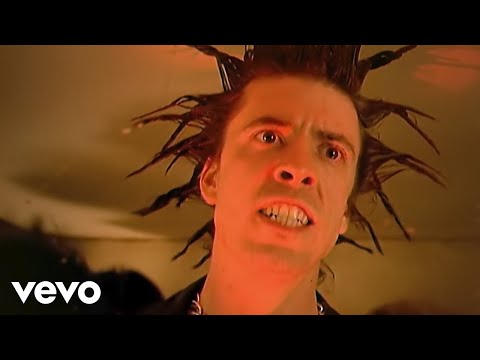
If the studio story describes how "Everlong" was made, the music video explains how it lodged in popular imagination. Directed by Michel Gondry, the visuals are dreamlike and slightly off-kilter, translating the song's urgent intimacy into surreal domestic tableaux and comic horror-movie turns. The video amplified the song's reach at a time when music television could still make a record feel omnipresent, and those dream motifs have stuck with viewers in the same way the riff does: stubbornly, joyfully, and a little weird.
On the charts and the airwaves, "Everlong" became a mainstay of alternative rock radio, a track that didn't necessarily dominate pop charts but dominated playlists and live sets. It became one of Foo Fighters' signature songs, a concert highlight that almost always elicits a sea of raised phones and communal singing. Its longevity - repeated reissues, steady streaming numbers, and ritualized inclusion in setlists - says as much about its emotional utility for listeners as any chart statistic could.
At the heart of "Everlong" is its lyrics, where the song's power truly lives. Lines like "Breathe out so I can breathe you in" and "If everything could ever feel this real forever" cut through rock's macho posturing to find something tender and fierce: an insistence on the urgency of feeling, a wish for the moment to last, but also an awareness of how fleeting such moments are. The song reads as an argument for connection - romantic, yes, but also existential. The dynamics of the music mirror that argument; the verses pull inward with clipped guitar and intimate phrasing, then explode into a chorus that sounds like the body catching up to the heart. That push between containment and release gives the song its emotional architecture, making it feel like both confession and triumph.
There are interesting details and small controversies that cling to the song's history. The decision by Grohl to re-record drums for the album left some behind-the-scenes tension, and that rawness is audible in the track's relentless propulsion. The song's transformation from a home-made demo into a rock staple also feeds into a broader narrative about Grohl himself - a musician comfortable carrying songs from solitary scribbles to arena-sized catharsis. And while "Everlong" has been embraced in so many contexts that it sometimes becomes background for scenes and montages, it retains a privacy: people still choose it for weddings, funerals, and late-night drives because it manages to feel both intensely personal and generous.
Covers and reinterpretations have helped confirm "Everlong" as a modern standard. Artists across genres have stripped it down to folk-minute arrangements, pushed it into pummeling power versions, and used it as a template for devotional performance. Dave Grohl himself has often revisited the song in quieter settings, and those acoustic renderings reveal how much of the song's power rests in melody and words rather than just guitar roar. That adaptability - the way "Everlong" can be small and enormous at once - is a big part of why it endures.
At nearly three decades old, "Everlong" still feels like an act of insistence: that feeling can be seized, even briefly; that intimacy can be explosive and beautiful; that a song can be both a lifeline and a celebration. It's a testament to a moment in a band's life, to the forge of difficult sessions and unexpected tenderness, and to the peculiar alchemy that allows a simple phrase about breathing to become a line people sing back to one another in packed rooms and quiet kitchens alike.